Buy tingg.eu ?
We are moving the project
tingg.eu .
Are you interested in purchasing the domain
tingg.eu ?
domain@kv-gmbh.de · 0541-91531010
Buy tingg.eu ?
What is better: Industrial mechanic or tool mechanic?
The choice between industrial mechanic and tool mechanic ultimately depends on individual preferences and career goals. Industrial mechanics typically work with a wide range of machinery and equipment in manufacturing and production settings, while tool mechanics specialize in the maintenance and repair of specific types of tools and equipment. Industrial mechanics may have more diverse job opportunities, while tool mechanics may have the opportunity to specialize and become experts in their specific field. Both careers can be rewarding and offer opportunities for growth and advancement. Ultimately, the better choice depends on an individual's interests and career aspirations. **
What professions exist in the fields of tool mechanic, machining mechanic, or construction mechanic?
Professions in the fields of tool mechanic, machining mechanic, or construction mechanic include tool and die maker, CNC machinist, maintenance mechanic, industrial machinery mechanic, and construction equipment operator. These professionals are responsible for repairing, maintaining, and operating various types of machinery and equipment used in manufacturing, construction, and other industries. They may work in factories, construction sites, or repair shops, using their specialized skills to ensure that machines and tools are functioning properly. **

Similar search terms for Complete-General-Mechanic-Tool
Top-Angebote
Products related to Complete-General-Mechanic-Tool:
-
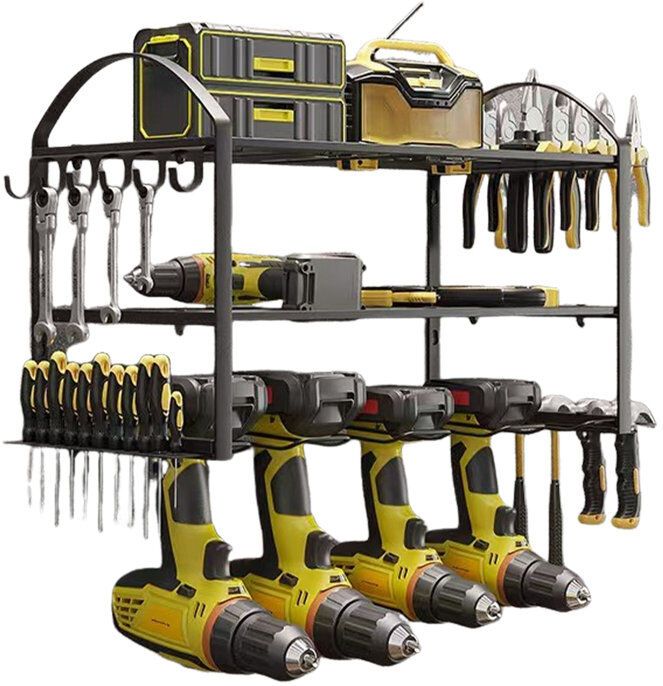
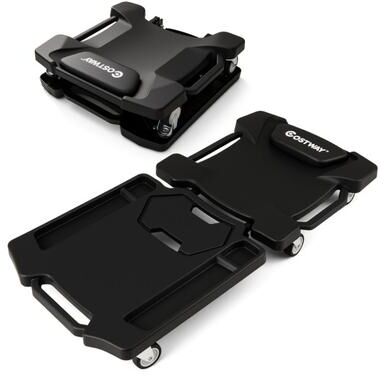
WFX Utility General Tool Holder Black 26cm H X 40cm W X 20cm DThe steel frame, constructed from high-quality materials, provides a sturdy and stable base for your storage needs. Whether you're storing everyday items or small items, the shelf remains stable and sturdy. The materials are designed for safety from the outset, ensuring reliable and long-lasting storage space. WFX Utility44,99 £*Shipping: 4,99 £Secure redirect to the provider
-
Does the tool mechanic have a future?
Yes, the tool mechanic profession has a future as long as there are machines and equipment that require maintenance and repair. With advancements in technology, the complexity of tools and machinery is increasing, creating a demand for skilled mechanics to troubleshoot and fix issues. Additionally, as more industries rely on automation and machinery for production, the need for tool mechanics will continue to be essential in ensuring smooth operations. Overall, the tool mechanic profession is likely to evolve and adapt to new technologies, making it a viable career option for those interested in the field. **
-
What professions are there in the fields of tool mechanic, machining mechanic, or construction mechanic?
Professions in the fields of tool mechanic, machining mechanic, or construction mechanic include tool and die maker, CNC machinist, maintenance mechanic, industrial mechanic, and construction equipment operator. Tool mechanics are responsible for creating and repairing tools and dies used in manufacturing processes. Machining mechanics operate and maintain machines used to shape metal and other materials. Construction mechanics work on construction sites, maintaining and repairing equipment such as cranes, bulldozers, and other heavy machinery. **
-
What is the difference between a tool mechanic and a construction mechanic?
A tool mechanic typically focuses on repairing and maintaining hand tools, power tools, and other equipment used in various industries. They are skilled in diagnosing issues, disassembling tools, and replacing parts to ensure they function properly. On the other hand, a construction mechanic specializes in maintaining and repairing heavy machinery and equipment used in construction projects, such as bulldozers, cranes, and excavators. They are responsible for keeping these machines in optimal working condition to ensure the efficiency and safety of construction sites. **
-
What is the starting salary of a tool mechanic?
The starting salary of a tool mechanic can vary depending on factors such as location, level of experience, and the specific industry they work in. On average, a tool mechanic can expect to earn a starting salary of around $35,000 to $45,000 per year. With experience and additional training, tool mechanics have the potential to earn higher salaries as they advance in their careers. **
What is the extended length of a tool mechanic?
The extended length of a tool mechanic refers to the maximum length that a tool can reach when fully extended. This measurement is important for determining the reach and accessibility of the tool when working in tight or hard-to-reach spaces. It is crucial for mechanics to have tools with sufficient extended length to effectively and safely perform their work. The extended length of a tool mechanic can vary depending on the specific type of tool, such as wrenches, ratchets, or sockets. **
What is the difference between toolmaker and tool mechanic?
A toolmaker is responsible for creating precision tools and machinery parts using various techniques such as cutting, shaping, and finishing. They typically work with metals and other materials to produce tools that meet specific design requirements. On the other hand, a tool mechanic is responsible for maintaining and repairing tools and machinery. They troubleshoot issues, perform routine maintenance, and make necessary repairs to ensure that tools and machinery are functioning properly. While both roles involve working with tools, the toolmaker focuses on creating new tools, while the tool mechanic focuses on maintaining and repairing existing tools. **
Top-Angebote
Products related to Complete-General-Mechanic-Tool:
-
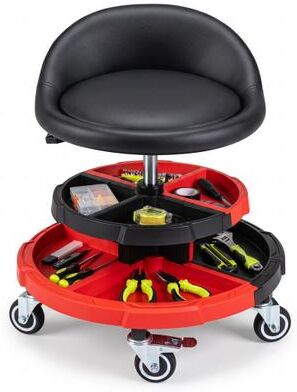
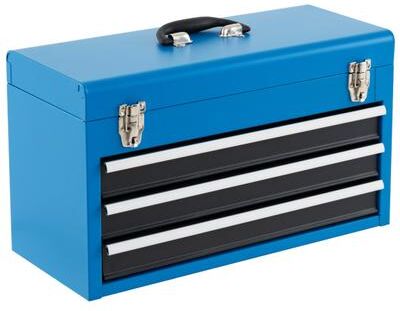
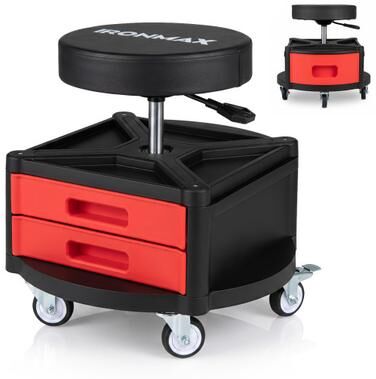
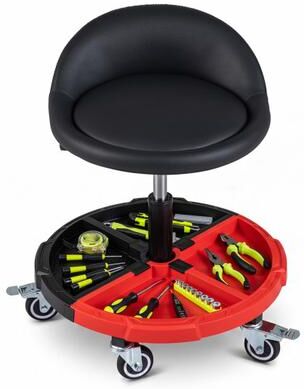
DEVERA 3-Drawer Tool Chest Rolling Mechanic Seat with Tool Trays3-Drawer Tool Chest Rolling Mechanic Seat with Tool Trays,350lbs Max Weight Capacity Product Features 2-IN-1 TOOL CHEST/SEAT - This 3 drawer rolling mechanics seat with seat cushion will provide stability and comfort on the job.139,49 $*Shipping: 0,00 $Secure redirect to the provider
-
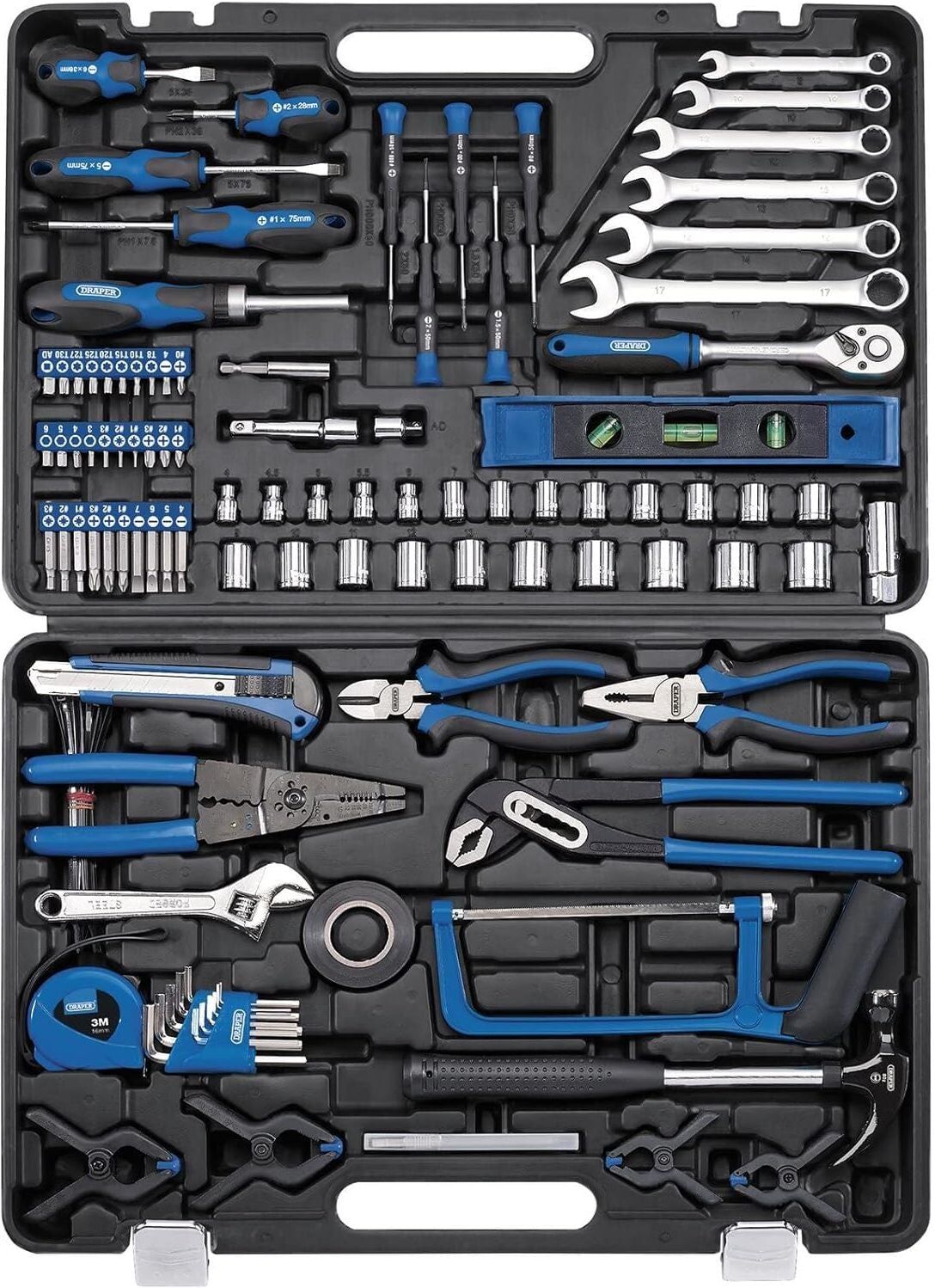
Draper 94988 Automotive/General Purpose Hand Tool Kit (138 Piece)Overview The Draper 94988 is a comprehensive 138-piece hand tool kit designed for both automotive and general-purpose tasks. Featuring a wide selection of commonly used tools, it is ideal for workshops and home use, all organized in a sturdy blow-moulded plastic storage case. Key Features Comprehensive Tool Selection : Includes a 72-tooth reversible ratchet, 8oz claw hammer, water pump pliers, mini hacksaw, utility knife with retractable blades, boat level, and a wide range of screwdrivers, screwdriver bits, hex keys, spanners, and sockets. High-Quality Construction : Tools are crafted for durability and reliability, ensuring long-lasting performance. Organized Storage : All tools are neatly organized inside a sturdy blow-moulded plastic storage case for easy transport and accessibility. Versatile Use : Suitable for automotive repairs, general maintenance, and DIY projects around the home. Lifetime Warranty : Comes with a Draper lifetime warranty, reflecting the brand's commitment to quality. Product Description The Draper 94988 Automotive/General Purpose Hand Tool Kit is a versatile and durable set designed to meet the needs of both professionals and DIY enthusiasts. With 138 essential tools, it covers a wide range of applications, from automotive repairs to general household tasks. The high-quality construction ensures reliability, while the organized storage case keeps everything in place for easy access. Backed by a lifetime warranty, this tool kit is a valuable addition to any workshop.99,99 £*Shipping: 0,00 £Secure redirect to the provider
-
What is better: Industrial mechanic or tool mechanic?
The choice between industrial mechanic and tool mechanic ultimately depends on individual preferences and career goals. Industrial mechanics typically work with a wide range of machinery and equipment in manufacturing and production settings, while tool mechanics specialize in the maintenance and repair of specific types of tools and equipment. Industrial mechanics may have more diverse job opportunities, while tool mechanics may have the opportunity to specialize and become experts in their specific field. Both careers can be rewarding and offer opportunities for growth and advancement. Ultimately, the better choice depends on an individual's interests and career aspirations. **
-
What professions exist in the fields of tool mechanic, machining mechanic, or construction mechanic?
Professions in the fields of tool mechanic, machining mechanic, or construction mechanic include tool and die maker, CNC machinist, maintenance mechanic, industrial machinery mechanic, and construction equipment operator. These professionals are responsible for repairing, maintaining, and operating various types of machinery and equipment used in manufacturing, construction, and other industries. They may work in factories, construction sites, or repair shops, using their specialized skills to ensure that machines and tools are functioning properly. **
-
Does the tool mechanic have a future?
Yes, the tool mechanic profession has a future as long as there are machines and equipment that require maintenance and repair. With advancements in technology, the complexity of tools and machinery is increasing, creating a demand for skilled mechanics to troubleshoot and fix issues. Additionally, as more industries rely on automation and machinery for production, the need for tool mechanics will continue to be essential in ensuring smooth operations. Overall, the tool mechanic profession is likely to evolve and adapt to new technologies, making it a viable career option for those interested in the field. **
-
What professions are there in the fields of tool mechanic, machining mechanic, or construction mechanic?
Professions in the fields of tool mechanic, machining mechanic, or construction mechanic include tool and die maker, CNC machinist, maintenance mechanic, industrial mechanic, and construction equipment operator. Tool mechanics are responsible for creating and repairing tools and dies used in manufacturing processes. Machining mechanics operate and maintain machines used to shape metal and other materials. Construction mechanics work on construction sites, maintaining and repairing equipment such as cranes, bulldozers, and other heavy machinery. **
Similar search terms for Complete-General-Mechanic-Tool
-
WFX Utility General Tool Holder Black 26cm H X 40cm W X 20cm DThe steel frame, constructed from high-quality materials, provides a sturdy and stable base for your storage needs. Whether you're storing everyday items or small items, the shelf remains stable and sturdy. The materials are designed for safety from the outset, ensuring reliable and long-lasting storage space. WFX Utility44,99 £*Shipping: 4,99 £Secure redirect to the provider
-
What is the difference between a tool mechanic and a construction mechanic?
A tool mechanic typically focuses on repairing and maintaining hand tools, power tools, and other equipment used in various industries. They are skilled in diagnosing issues, disassembling tools, and replacing parts to ensure they function properly. On the other hand, a construction mechanic specializes in maintaining and repairing heavy machinery and equipment used in construction projects, such as bulldozers, cranes, and excavators. They are responsible for keeping these machines in optimal working condition to ensure the efficiency and safety of construction sites. **
-
What is the starting salary of a tool mechanic?
The starting salary of a tool mechanic can vary depending on factors such as location, level of experience, and the specific industry they work in. On average, a tool mechanic can expect to earn a starting salary of around $35,000 to $45,000 per year. With experience and additional training, tool mechanics have the potential to earn higher salaries as they advance in their careers. **
-
What is the extended length of a tool mechanic?
The extended length of a tool mechanic refers to the maximum length that a tool can reach when fully extended. This measurement is important for determining the reach and accessibility of the tool when working in tight or hard-to-reach spaces. It is crucial for mechanics to have tools with sufficient extended length to effectively and safely perform their work. The extended length of a tool mechanic can vary depending on the specific type of tool, such as wrenches, ratchets, or sockets. **
-
What is the difference between toolmaker and tool mechanic?
A toolmaker is responsible for creating precision tools and machinery parts using various techniques such as cutting, shaping, and finishing. They typically work with metals and other materials to produce tools that meet specific design requirements. On the other hand, a tool mechanic is responsible for maintaining and repairing tools and machinery. They troubleshoot issues, perform routine maintenance, and make necessary repairs to ensure that tools and machinery are functioning properly. While both roles involve working with tools, the toolmaker focuses on creating new tools, while the tool mechanic focuses on maintaining and repairing existing tools. **
* All prices are inclusive of VAT and, if applicable, plus shipping costs. The offer information is based on the details provided by the respective shop and is updated through automated processes. Real-time updates do not occur, so deviations can occur in individual cases. ** Note: Parts of this content were created by AI.